
Published: September 2026
If you are buying a home in Clearwater, St. Petersburg, Dunedin, Safety Harbor, Tarpon Springs, or elsewhere in Pinellas County this September, your inspection is happening during one of the most important times of year for evaluating a Florida property.
Atlantic hurricane season officially continues through November 30, and September falls within the historically active portion of the season. For Tampa Bay buyers, that makes a home inspection in Clearwater FL about more than identifying defects before closing. Roof condition, electrical systems, plumbing, HVAC equipment, storm-resistance features, moisture concerns, and insurance documentation can all affect the decisions you make before taking ownership.
SEC Inspection Services has served the Tampa Bay area since 1999 and provides home inspections, 4-point inspections, wind mitigation inspections, and other inspection services throughout Clearwater and Pinellas County.
What Should Clearwater Buyers Have Inspected Before Closing?
A standard home inspection gives buyers a broad evaluation of the home’s accessible systems and components. Depending on the property and insurance carrier, buyers may also need separate insurance-related inspections.
For many Florida transactions, three inspections are especially relevant:
- Standard home inspection: Evaluates accessible structural components, roof, electrical, plumbing, HVAC, interior, exterior, attic, appliances, and other visible systems.
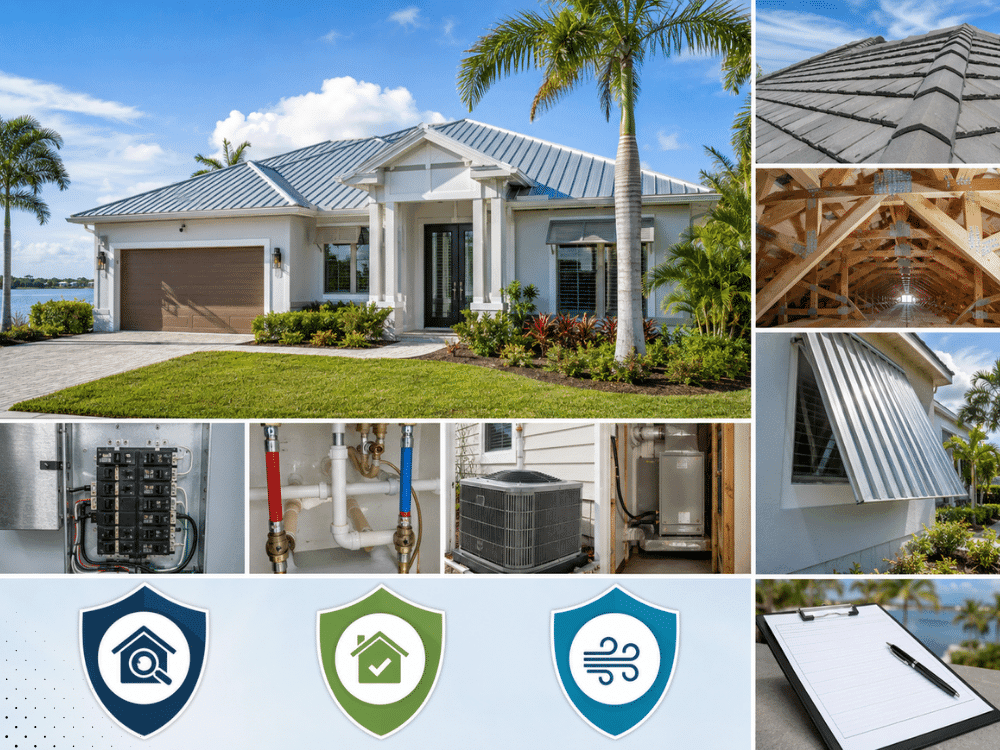
- 4-point inspection: Documents the condition of the roof, electrical, plumbing, and HVAC systems for insurance underwriting.
- Wind mitigation inspection: Documents construction and storm-resistance features that may qualify the property for insurance credits.
These inspections serve different purposes. A 4-point or wind mitigation inspection should not be considered a substitute for a complete buyer’s home inspection.
Why Hurricane Season Matters for a Clearwater Home Inspection
Clearwater and the surrounding Tampa Bay area face conditions that can affect homes differently than properties in many inland markets.
Inspectors may encounter roof wear, moisture intrusion, exterior deterioration, drainage concerns, corrosion, aging mechanical systems, or storm-related repairs. The inspection can also help buyers understand which areas deserve additional evaluation before the inspection period expires.
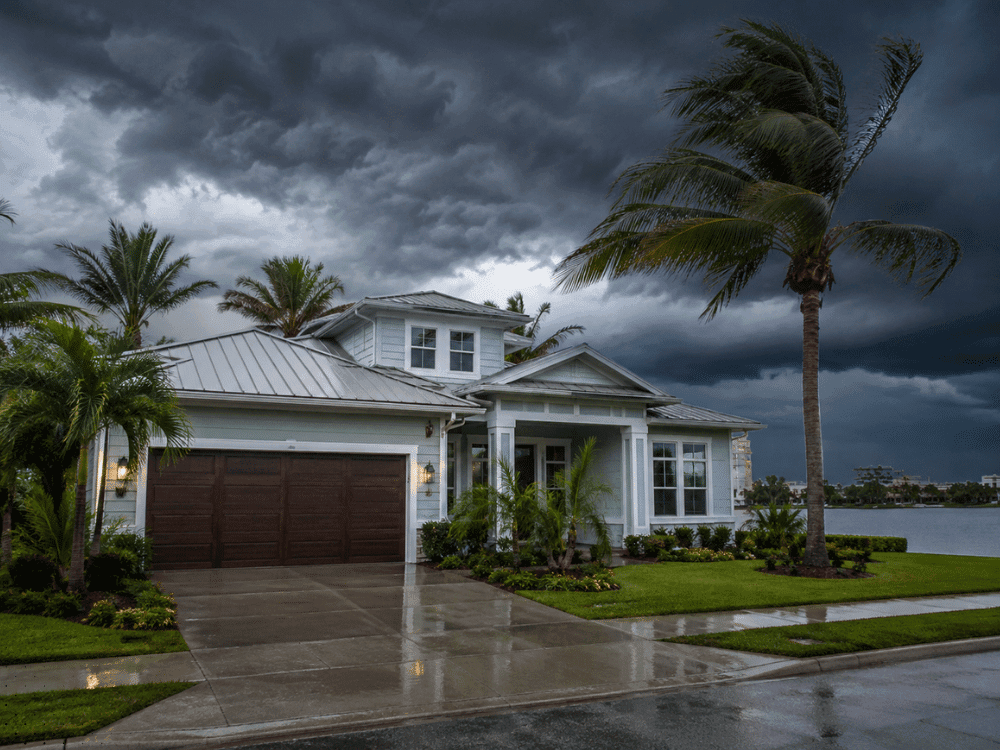
September is especially relevant because hurricane season is not over when summer ends. Buyers closing in early fall should understand the home’s current condition rather than assuming that storm-related concerns only matter during June, July, or August.
What Is a Wind Mitigation Inspection in Florida?
A wind mitigation inspection documents specific features that can improve a home’s resistance to wind.
The Florida Uniform Mitigation Verification Inspection typically includes information about:
- Roof covering
- Roof deck attachment
- Roof-to-wall connections
- Roof geometry
- Secondary water resistance
- Window, door, and other opening protection
Florida insurers are required to recognize qualifying wind-mitigation features through actuarially appropriate credits or discounts. However, the amount of any insurance savings depends on the home, the documented features, the insurance company, and the policy.
For Clearwater buyers, obtaining the report before closing can provide useful information when discussing coverage and available credits with an insurance agent.
Do Clearwater Homes Need a 4-Point Inspection?
There is no single Florida rule stating that every home over a specific age automatically requires a 4-point inspection.
Instead, insurance companies establish their own underwriting requirements. Many carriers request a 4-point inspection when insuring an older Florida home.
A 4-point inspection focuses on four systems:
Roof
The report typically documents roof covering, approximate age, visible condition, signs of leakage, and remaining useful life where applicable.
Electrical
The inspector documents the electrical panel, wiring type, amperage, and visible conditions that may affect insurance underwriting.
Plumbing
The report identifies visible supply and drain materials, water heater information, and evidence of active leakage or other concerns.
HVAC
The inspection documents the heating and cooling system, approximate age when available, and observable condition.
Because insurance requirements vary, Clearwater buyers should ask their insurance agent what documentation is needed as early as possible in the transaction.
Common Inspection Concerns in Clearwater and Pinellas County
1. Salt-Air and Coastal Corrosion
Properties closer to the Gulf of Mexico or Intracoastal waterways may experience greater exposure to salt-laden air.
Exterior HVAC components, fasteners, railings, electrical equipment, and other exposed metal components can deteriorate faster in coastal environments. Actual condition matters more than age alone, which is why these components should be visually evaluated during the inspection.
2. Older Plumbing and Drain Lines
Many established Clearwater and Pinellas County neighborhoods contain homes built several decades ago.
Older properties may contain plumbing materials or drain systems that deserve additional evaluation. Cast-iron drain piping, for example, can deteriorate internally even when problems are not visible from inside the home.
Depending on the property’s age and plumbing configuration, buyers may want to discuss whether a sewer scope inspection is appropriate.
3. Roof Age and Condition
Florida insurance underwriting makes roof documentation particularly important.
Inspectors evaluate visible roofing materials, installation conditions, flashing, penetrations, evidence of leakage, and accessible attic areas. Buyers should understand both the roof’s physical condition and what their insurance carrier requires before closing.
4. Flood-Zone Considerations
Pinellas County contains properties across multiple FEMA flood-zone designations.
A standard home inspection does not determine whether a property requires flood insurance or calculate the cost of that coverage. Buyers should verify the property’s flood designation, elevation information, lender requirements, and available flood insurance options separately.
Flood-zone status should be evaluated property by property rather than assuming an entire Clearwater neighborhood has the same exposure.
Can SEC Complete Multiple Inspections During One Visit?
Yes. When appropriate for the property, SEC Inspection Services can perform the standard home inspection, 4-point inspection, and wind mitigation inspection during the same visit.
For buyers working within a short inspection period, coordinating these services can provide the home-condition information and insurance documentation needed before closing.
SEC Inspection Services serves Clearwater, St. Petersburg, Dunedin, Safety Harbor, Tarpon Springs, Largo, Palm Harbor, and communities throughout Pinellas County and the greater Tampa Bay area.
Frequently Asked Questions About Home Inspections in Clearwater FL
Do I need both a standard home inspection and a 4-point inspection in Clearwater?
Possibly. They have different purposes. A standard home inspection evaluates the overall accessible condition of the property for the buyer. A 4-point inspection focuses specifically on the roof, electrical, plumbing, and HVAC systems for insurance underwriting. Ask your insurance carrier whether a 4-point report is required.
Is a wind mitigation inspection required in Florida?
Not for every home purchase. However, a wind mitigation inspection documents qualifying storm-resistant construction features that may make the property eligible for homeowners insurance credits. The amount of any credit varies by insurer and property.
What is polybutylene plumbing, and why does it matter?
Polybutylene is a gray plastic water-supply piping material commonly installed in some homes from the late 1970s through the mid-1990s. Because insurers have different underwriting guidelines for plumbing materials, buyers should identify the home’s piping and discuss any insurance implications with their carrier.
What Clearwater neighborhoods require extra attention during an inspection?
No neighborhood should automatically be considered problematic. Buyers should evaluate the individual property. Coastal and low-lying locations, including areas near Clearwater Beach and surrounding waterways, may deserve closer attention to corrosion, moisture, drainage, flood-zone information, roof condition, and storm-resistance features.
How long does a Clearwater home inspection take?
Inspection time depends on the home’s size, age, construction, condition, accessibility, and additional services being performed. Buyers should allow enough time for a thorough evaluation rather than choosing an inspector based primarily on speed.
Is it safe to buy a home in a Pinellas County flood zone?
A flood-zone designation does not automatically mean a home should or should not be purchased. Buyers should understand the specific property’s flood zone, elevation, insurance requirements, previous improvements, and overall condition before making a decision.
Schedule a Home Inspection in Clearwater FL
Buying during hurricane season makes it especially important to understand the property before closing.
SEC Inspection Services provides home inspections in Clearwater FL, along with 4-point inspections and wind mitigation inspections for buyers throughout Pinellas County and the Tampa Bay area.
Getting the appropriate inspections completed during your inspection period can help you understand the home’s condition, prepare the documentation your insurer may request, and make a better-informed decision before closing.
Ready to schedule your inspection? Call SEC Inspection Services at (727) 359-0935 or schedule online your home inspection, 4-point inspection, or wind mitigation inspection in Clearwater and throughout the Tampa Bay area.


