
 How Can Pinellas Park, FL Homeowners Manage Summer Humidity To Prevent Mold Growth And Musty Indoor Odors?
 How Can Pinellas Park, FL Homeowners Manage Summer Humidity To Prevent Mold Growth And Musty Indoor Odors?
Summer in Pinellas Park, FL brings high temperatures, frequent rainfall, and elevated humidity levels. While Florida homeowners are accustomed to warm weather, excess indoor moisture can create conditions that encourage mold growth, musty odors, and potential damage to building materials.
Many homeowners ask: How can summer humidity be managed to prevent mold growth and indoor moisture problems? Understanding how humidity affects a home and taking proactive steps to control moisture can help protect indoor air quality and reduce the risk of costly repairs.
Why Summer Humidity Creates Problems Inside Homes
Florida’s summer climate naturally produces high outdoor humidity levels. When humid air enters a home, excess moisture can accumulate on cooler surfaces and in areas with poor airflow.
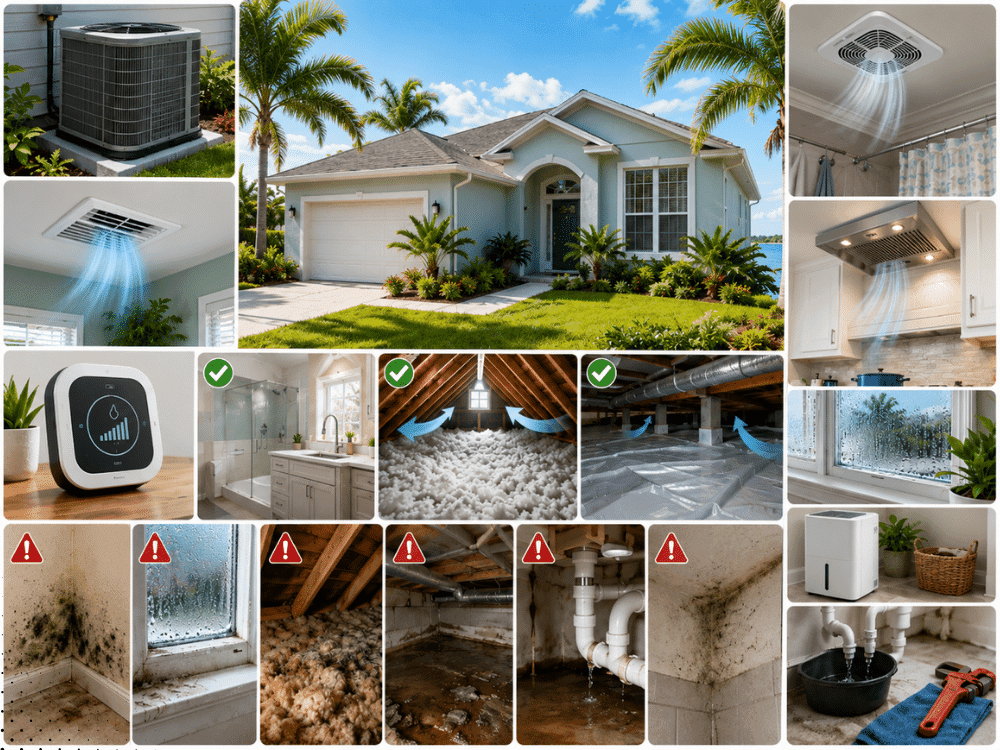
Over time, elevated humidity may contribute to:
- Musty indoor odors
- Mold and mildew growth
- Damp insulation
- Wood swelling or warping
- Condensation on windows and vents
- Reduced indoor comfort
Because mold can begin growing when moisture remains present for extended periods, controlling humidity is an important part of home maintenance.
Keep Your Air Conditioning System Operating Efficiently
Your air conditioning system plays a major role in removing moisture from indoor air.
Homeowners should:
- Replace HVAC filters regularly
- Keep supply and return vents unobstructed
- Schedule routine HVAC maintenance
- Monitor thermostat and humidity settings
- Ensure condensate drain lines remain clear
An air conditioning system that is not operating efficiently may struggle to remove excess humidity, allowing moisture levels to rise throughout the home.
Improve Ventilation In Moisture-Prone Areas
Bathrooms, kitchens, laundry rooms, and attics often generate significant moisture.
To improve ventilation:
- Run bathroom exhaust fans during and after showers
- Use kitchen exhaust fans while cooking
- Vent clothes dryers properly to the exterior
- Ensure attic ventilation remains unobstructed
- Open interior doors to improve airflow when appropriate
Proper ventilation helps move moist air outside before it accumulates indoors.
Address Water Leaks Quickly
Even small leaks can create conditions favorable for mold growth.
Inspect regularly for:
- Plumbing leaks beneath sinks
- Dripping faucets or supply lines
- Roof leaks after storms
- Window or door seal failures
- Water stains on ceilings or walls
Promptly addressing leaks helps prevent moisture from becoming trapped behind walls, under flooring, or inside attic spaces.
Consider Using A Dehumidifier
 Consider Using A Dehumidifier
During periods of extreme humidity, a dehumidifier can provide additional moisture control.
Benefits may include:
- Lower indoor humidity levels
- Reduced musty odors
- Improved comfort
- Less condensation on windows and surfaces
Many homeowners use portable dehumidifiers in problem areas such as garages, laundry rooms, or enclosed spaces where airflow is limited.
Monitor Attics, Crawlspaces, And Storage Areas
Hidden areas of the home often experience the highest moisture levels.
Inspect periodically for:
- Damp insulation
- Visible mold growth
- Condensation on pipes or ductwork
- Musty odors
- Signs of water intrusion
Because these areas are not frequently visited, moisture issues can develop unnoticed for extended periods.
How A Home Inspection Can Help Identify Moisture Concerns
Many humidity-related issues are not visible during a routine walk-through of the home.
A professional home inspection may help identify:
- Signs of moisture intrusion
- Ventilation deficiencies
- Roofing concerns contributing to leaks
- HVAC performance issues
- Areas susceptible to mold growth
Early identification allows homeowners to address concerns before moisture-related damage becomes more extensive.
Managing summer humidity is an important part of maintaining a healthy home in Pinellas Park, FL. Proper HVAC operation, improved ventilation, leak prevention, and routine monitoring of moisture-prone areas can help reduce the risk of mold growth and musty indoor odors.
By staying proactive and scheduling professional inspections when needed, homeowners can better protect their indoor environment and identify hidden moisture concerns before they become costly repairs.
If you live in Pinellas Park, FL, schedule your home inspection with SEC Inspection Services today.
Take the next step with confidence. Ready to schedule your inspection? Call (727) 359-0935 or visit https://secinspection.com/ today!