
 Is Your Roof Ready For Hurricane Season? What Tampa Bay Homeowners Need To Check Right Now
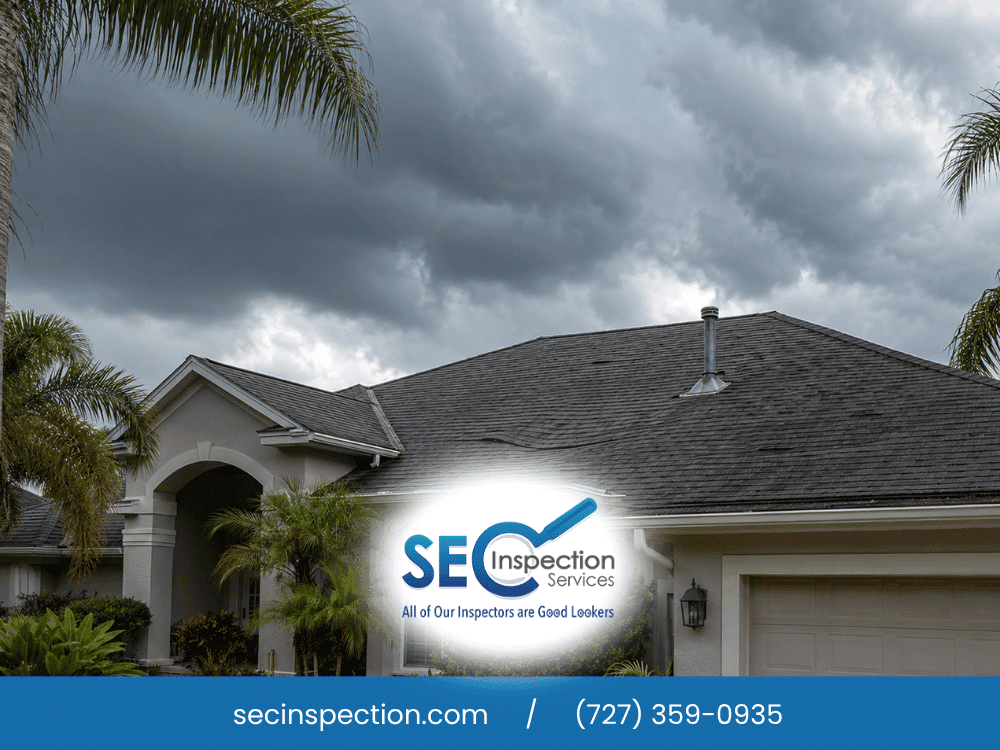 Is Your Roof Ready For Hurricane Season? What Tampa Bay Homeowners Need To Check Right Now
August in Clearwater means one thing above everything else: peak hurricane season is here. The Atlantic’s busiest months — August, September, and October — bring the kind of storms that separate homes that weather them from homes that don’t.
What Does Peak Hurricane Season Actually Mean For Tampa Bay Roofs?
The Tampa Bay region carries a specific kind of risk: sitting at the head of a funnel-shaped bay, Tampa Bay can amplify storm surge and wind speed in ways that catch homeowners off guard. Your roof is your home’s first line of defense.
Start At The Top: What To Look For On Your Roof
You don’t need to climb on your roof to do an initial pass — a good pair of binoculars and a walk around your home’s perimeter can reveal a lot.
Missing, cracked, or curling shingles: Tampa Bay’s UV intensity is punishing. Asphalt shingles that have been through several Florida summers can start to curl at the edges or show visible cracking. Missing shingles — even one or two — create an opening for wind-driven rain.
Granule loss: If you notice dark, bare-looking patches, or find a significant amount of granules collecting in your gutters, your shingles may be nearing the end of their serviceable life.
Lifted or separated flashing: Flashing is the metal material that seals joints around your chimney, skylights, vents, and any roof penetrations. Even a small gap here is an invitation for water intrusion.
Sagging sections: Any area of your roof deck that appears to sag or dip between the rafters deserves immediate attention. Sagging can indicate rot in the decking below.
Don’t Stop At The Roof: Your Exterior Deserves Attention Too
 Don’t Stop At The Roof: Your Exterior Deserves Attention Too
Gutters and downspouts: Clearwater and the Tampa Bay area receive an average of 50+ inches of rain annually, most concentrated in summer. Clogged gutters can’t handle that volume. Check that gutters are firmly attached, free of debris, and that downspouts direct water well away from your foundation.
Soffits and fascia: Often the first place wood rot shows up, especially in a coastal environment like Clearwater’s. Soft, discolored, or damaged soffits and fascia can signal moisture intrusion already working toward your attic.
Window and door seals: Wind-driven rain during a tropical storm finds every gap. Walk around your home and look at the perimeter of every window and door frame for cracked or missing caulk.
Exterior walls: Stucco can look fine on the surface while concealing significant moisture intrusion behind it. Look for hairline cracks, especially around window corners.
The Clearwater And Coastal St. Pete Wildcard: Salt Air Corrosion
Salt air speeds up the corrosion of metal components. What might last 20 years in an inland home can show significant degradation in 10 years in a coastal environment. Homes in Clearwater Beach, Dunedin, Safety Harbor, and along St. Pete’s waterfront need more frequent exterior attention.
Should You Get A Pre-Season Home Inspection?
For Tampa Bay area homeowners who are buying or selling a home — or who simply haven’t had their home evaluated in several years — a pre-season inspection in August is one of the most practical investments you can make before the peak of storm season.
Hurricane season peaks between mid-August and mid-October. Contractors and roofers in the Tampa Bay area fill up fast once a storm threat materializes. The window to schedule repairs proactively is right now.
Take the next step with confidence. Ready to schedule your inspection? Call (727) 359-0935 or visit https://secinspection.com/ today!